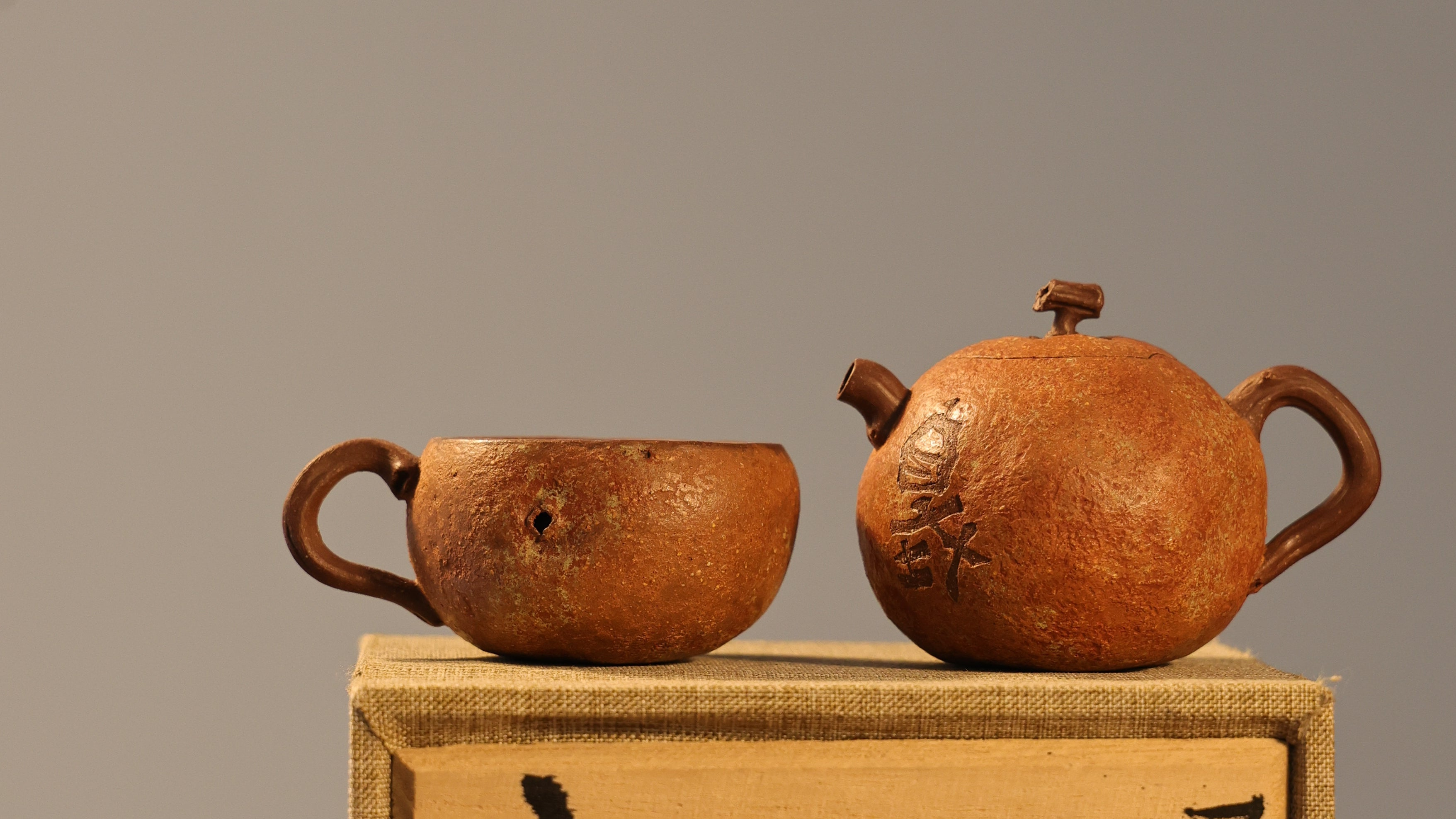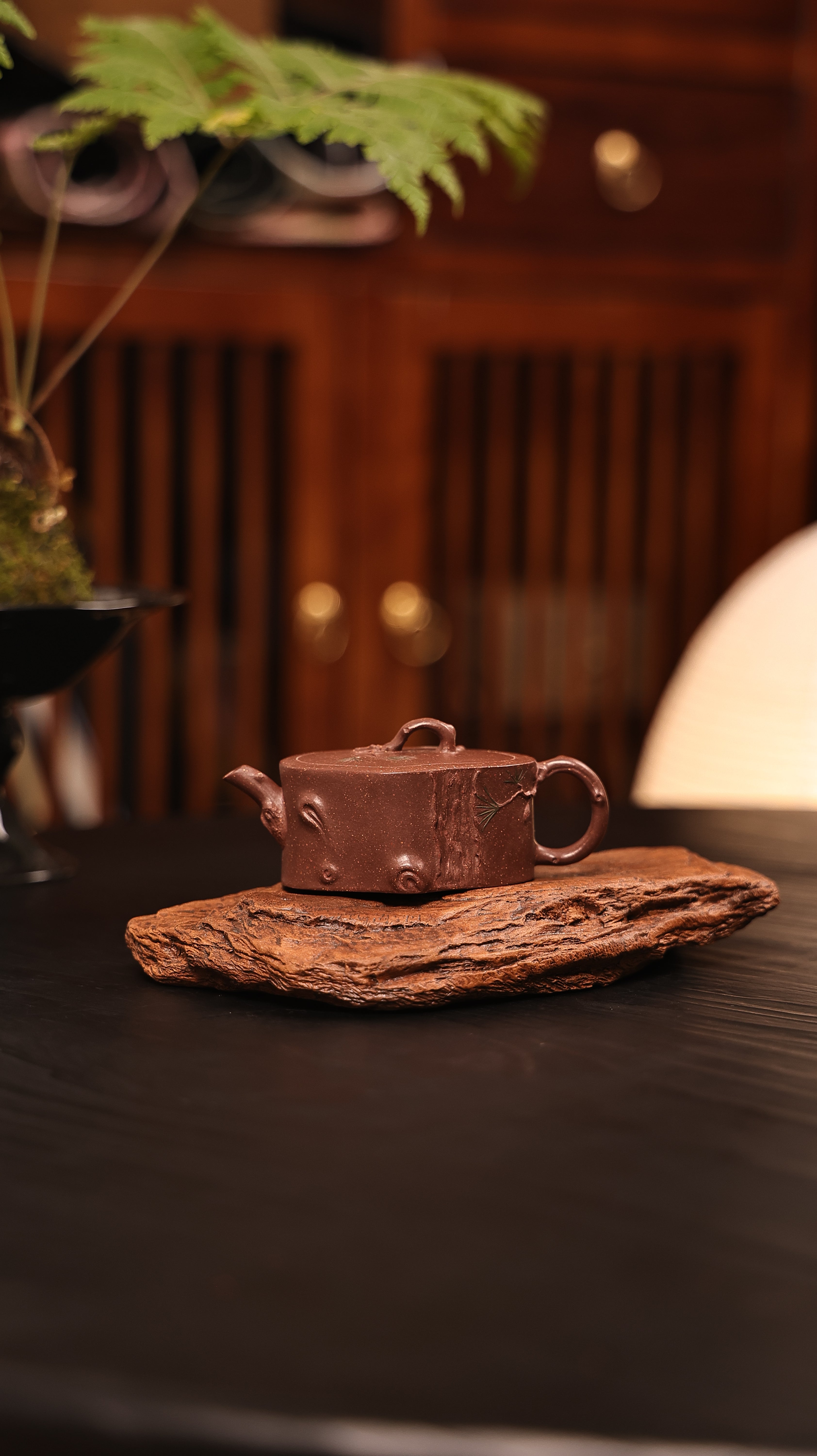
Millennia of collectors have sought the exclusive allure of Yixing Zisha kettles. Emerging in the cozy town of Yixing, the republic, these teapots are made from a rare and harvested purple clay esteemed for its superior thermal features and capacity to enhance the note of concoctions. More than their useful value, Zisha teapots illustrate a vast historical heritage, fashioning them greatly collectible and a genuine marvel for any devoted teapot lover.
Surveying Yixing Ware
These teapots highlight a extraordinary combination of history and seasoned craftsmanship. Hailing in Yixing, Jiangsu Region of China, their narrative originates in the Ming Dynasty, although documentation suggest earlier manifestations. The unparalleled reddish-brown clay, called Zisha, found merely in the Yixing region, is the integral component, contributing to the pots' excellent heat keeping and the manner they affect the quality of tea. Lineages of potters have perfected techniques—often bestowed through families—including modeling the clay, applying complex embellishments, and firing the pots at precise temperatures.- At first, Yixing teapots were often adorned with simple designs.
- Thereafter, more sophisticated carvings and expressive motifs became common.
- The baking procedure itself is a pivotal element, requiring years of practice.
Gathering Zisha Teapots: Necessary Considerations
Launching a mission to gather Zisha containers can be rewarding, but it’s vital to discern what to look for. Authenticity is critical; focus on the clay’s natural shade, a muted reddish-brown is typical. Examine the grain; genuine Zisha has a particular tactile sensation, often described as slightly textured. The contour should be symmetrical and consistent with classic styles, while stamps, if present, require precise examination for veracity. Don’t delay to consult with expert connoisseurs or dependable sources – their expertise is irreplaceable.
Eastern Pots: Delving into the Custom of authentic Yixing Clay
Periods have seen Yixing Rare Clay teapots retain a notable role in Chinese arts. These beautifully crafted pots, sourced only from the territory of Yixing, are acclaimed for their characteristic shade, composition, and their ability to improve the essence of brews. Many collectors value antique Yixing teapots, treasuring them profoundly not only for their aesthetic grace, but also for the heritage they express.
Yixing Zisha Teapots: Exceptional Foremost Forms and Their Traits
Purple Earthenware teapots, established in the renowned territory of Yixing, the Chinese territory, are famed for their special clay and exceptional brewing capabilities. Amidst the different Zisha types, selected types that are highly sought-after include Duan Ni. Binzhou, known for its bold purple shade and sleek texture, delivers a moderate flavor. Duan Ni subclass, recognizable by its rusty color and slightly grainy feel, is believed to enhance a robustness. Lastly, Zhuni clay boasts an rare burgundy tone and can deliver a delightful nuance. Each variety supplies a varied experience, rendering them highly desirable between infusion enthusiasts.
Mastering Unique Earthenware Kettle
To tap into the power of your Yixing vessel, appreciating the correct system is vital. These clay receptacles, celebrated for their filtering ability, will progressively embrace the heart of the tea you brew within them. Begin by cleansing the kettle thoroughly with scalding water. Then, use only superior loose leaf tea, as lower quality options can degrade the clay’s delicate qualities. Always let the leaves to extend completely, and remember that with each infusion, your Yixing jar will become steadily refined.
Caring for Your Precious Zisha Item
Proper care for your Zisha container is essential to safeguarding its beauty and importance. Zisha clay, respected for its unique pigmentation and surface, requires specific handling. Never use stringent soaps, as these can ruin the covering. After every brewing, rinse the urn with lukewarm water and Purple Clay Teapot allow it to evacuate moisture completely.
- Avoid soaking the pot for extended phases.
- Periodically use a soft piece of cloth to refresh the exterior.
- Explore applying a thin layer of food-grade grease inside the jar after drying, which can reduce staining.
Basics of Yixing Clay Pots
Yixing containers, originating from the Yixing province in Jiangsu Province, located in China, are celebrated for their distinctive traits. Shaped from the unique purple clay known as Zisha, these containers are prized by brew enthusiasts worldwide. This primer will plainly explain the fundamentals – covering kinds of Zisha dirt, favored shapes, and key care advice. Understanding the origin of Yixing containers can boost your appreciation for this acclaimed example of Mandarin heritage.
Skill of Mandarin Containers: Examining Zisha deriving from Yixing
Zisha pottery from the Yixing region represents the maximal point of Mandarin container design, undergoing a rare compound of elemental beauty and valuable artistry. These famous pieces are honored for their saturated tints, often encompassing profound purples and orange hues to faint greys and muted beiges. The salient mineral composition of the typical Zisha substrate imparts a unique texture and delivers a pleasant aroma that heightens the whole drink experience, transforming them greatly prized collectibles and vital components of any serious tea.